
Semiconductor Supply Chain
Why semiconductors matter
From smartphones to electric cars, computers, and the businesses built on them, semiconductors quietly run the modern world.

What is a semiconductor?
Semiconductors are highly specialized devices that act as the backbone of any electronic product. Most are integrated circuits, or "chips": billions of transistors, diodes, capacitors and resistors layered onto a piece of silicon just a few square millimeters wide.

Semiconductor applications by market size, 2019
Smartphone 25.3% · Personal computing 20.5% · Server, data centre & storage 14.6% · Industrial electronics 11.7% · Consumer electronics 11.0% · Automotive 9.8% · Wired/wireless infrastructure 8.1%. For scale, an average car contains about 1,400 semiconductors.
Source: Detroit Free Press, Statista 2021.From concept to consumer
A finished chip passes through five stages, each handled by different kinds of companies.
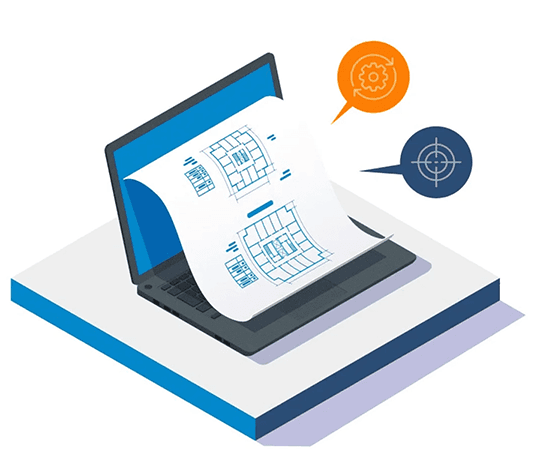
Design
Chip designs are created for a specific product or for general use. Handled by: fabless semiconductor companies, electronics manufacturers, and independent design houses.
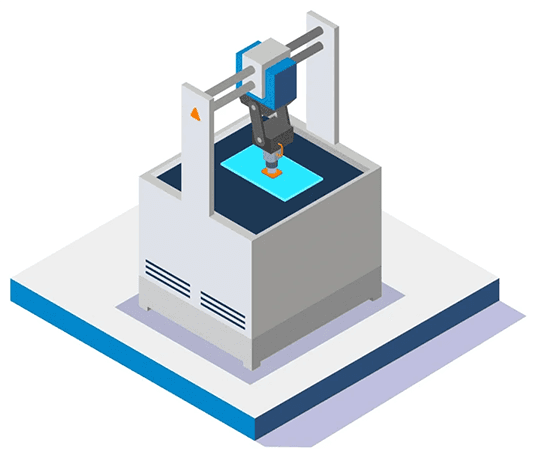
Manufacturing: front end
Silicon wafers go through a long, complex series of steps, then each wafer is diced into individual chips. Handled by: foundries and captive factories (IDMs).
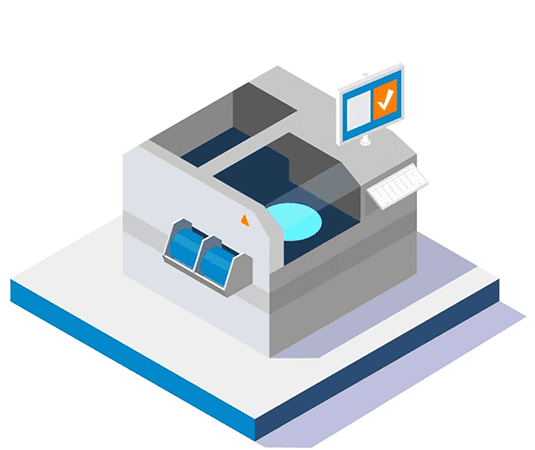
Manufacturing: back end
Chips are assembled into packages so they can be mounted onto circuit boards, then tested under different electrical and temperature conditions. Handled by: Outsourced Semiconductor Assembly & Test providers (OSATs). This is ASE's core stage.
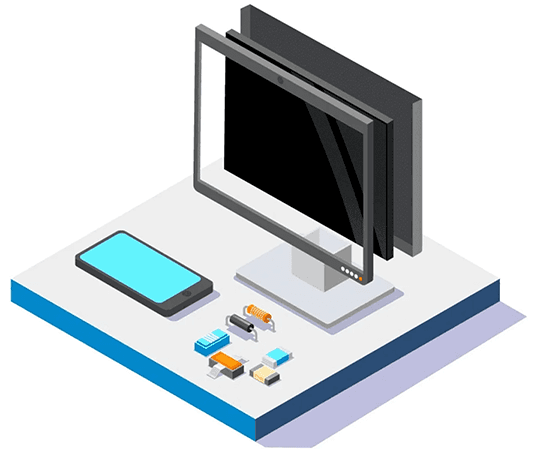
End-product integration
EMS and OEM companies build the finished chips into end products. Handled by: OEMs and EMS providers. Market scale: about $0.58T for EMS and ODM in 2020, with 1.04 trillion chip units shipped.
Consumption
Finished products ship to businesses, retailers and consumers worldwide, for a growing range of uses.
IDMs.
Integrated Device Manufacturers make their own chips in-house, but still use the foundry model to supply part of their volume.
What semiconductors power
Chips end up across a growing range of products:

Mobility & connectivity

Personal computers

Cars

Servers & storage

Smart homes

Smart medtech

Industry 4.0 / smart factories
Months in the making
From the start of production to a finished product, semiconductor manufacturing can take months.
A well-travelled chip
A chip's components can travel more than 25,000 miles before final product integration. (Source: IC Insights, ASML, Accenture.)
Where ASE fits in
Every company in the chain has a role. ASE's is assembly and test: the back-end stage that turns finished silicon into packaged, tested chips ready to go into products. ASE is the leading global provider of these services.
The chain, simplified
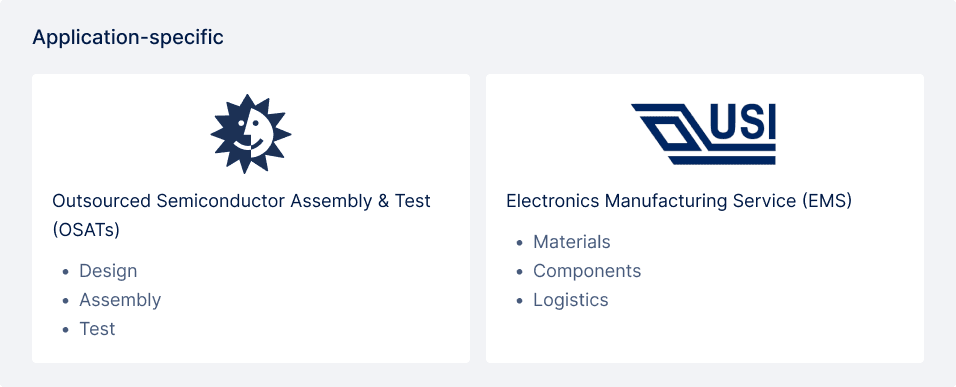
Silicon moves up the chain one stage at a time. ASE works at the package and module stage, providing OSAT and EMS services (the latter through sister company USI), covering design, assembly, test, materials, components and logistics.

Markets ASE and semiconductors enable
5GAIIoTAutomotiveSmart factoriesQuantum computingData processing